AI-driven film production

Maulstick

Building an AI agent crew around your story.

What it solves

Taming the chaos
of AI generation.

AI generation is unpredictable on its own. Maulstick is the structure that keeps a project predictable enough to finish, without flattening what makes AI worth using in the first place.

Primary user

Solo AI Directors

Hold a feature-length film together without a crew. Every department (script, direction, colour, sound) is a file under your control. Move from one-off prompts to a process that runs the same way each time, with versioned files and reusable Bibles.

Also serves
02
Production Studios
Consistency for in-house output. Shorter pre-production, guidelines in one place, house style locked across projects.
03
Screenwriters
See your script as shots, boards, and a rough cut before the pitch. Test tone, pacing, and visual language while the page is open.
04
Producers
Timelines you can plan against. Clear dependencies between files. When the script changes, you can see exactly which downstream pieces are affected.
05
Ad Agencies
From brief to delivery in days rather than weeks. One concept, four cut formats, the same visual identity carried across every asset.
What it's built on

File system.
Human. Agent.

Three constants: a file system you own, a human in control, an agent that reads and writes. Everything else builds on these.
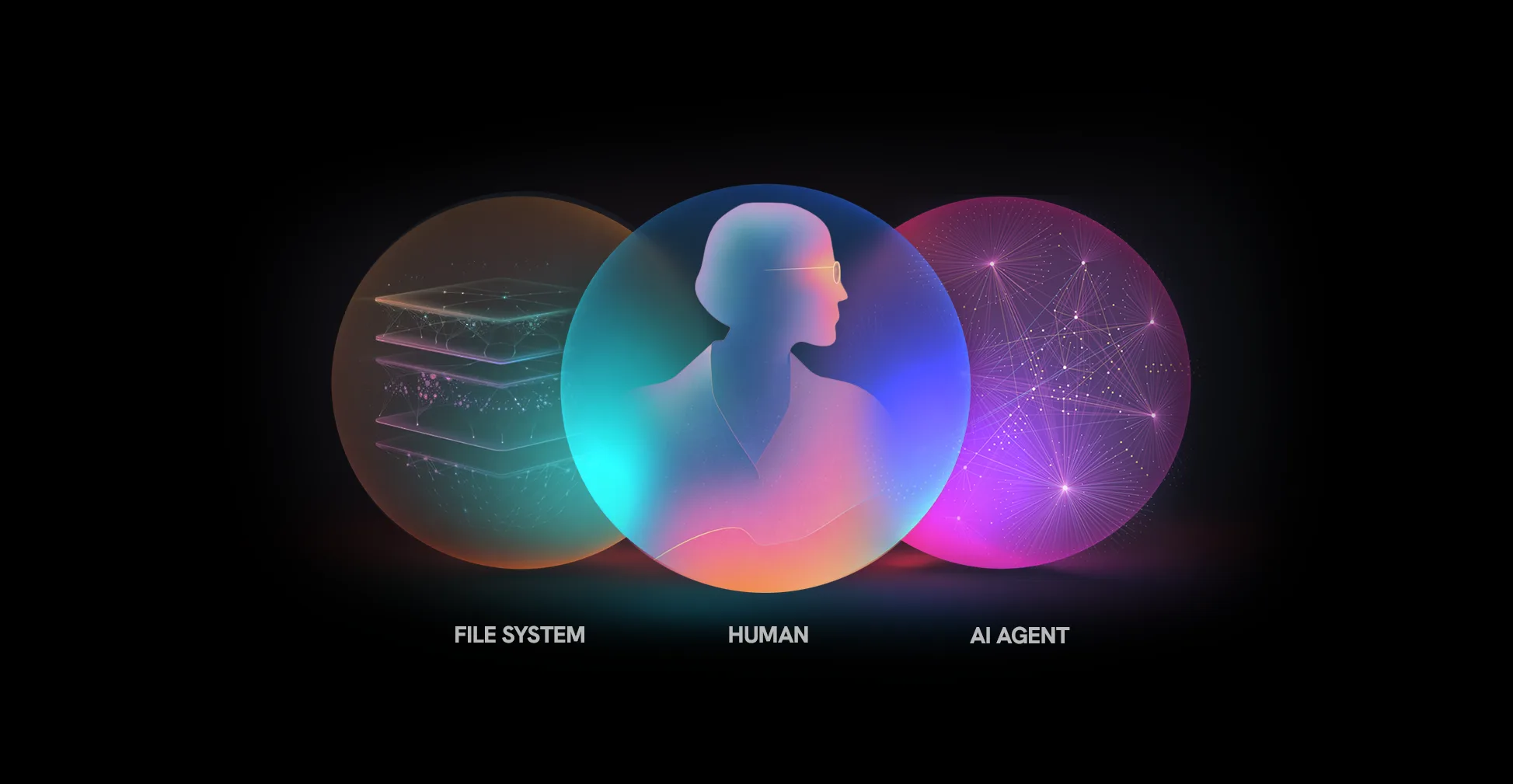
Three entities: File System, Human, AI Agent
01
File System
Everything (Bible, script, direction, prompts, canvas, timeline) sits as Markdown in an Obsidian vault. No database, no lock-in. Every file is on your disk.
02
Human
Every creative decision stays with you. Three gates pause the pipeline: after script, after direction, after generation. The agent never overwrites without your say-so.
03
AI Agent
Reads files, proposes, generates, reviews. Three roles inside: Producer (plans), Critic (reviews), StoryPole (tracks world state).
Productions in development

Demo projects.

Three demo projects, all built on this pipeline.

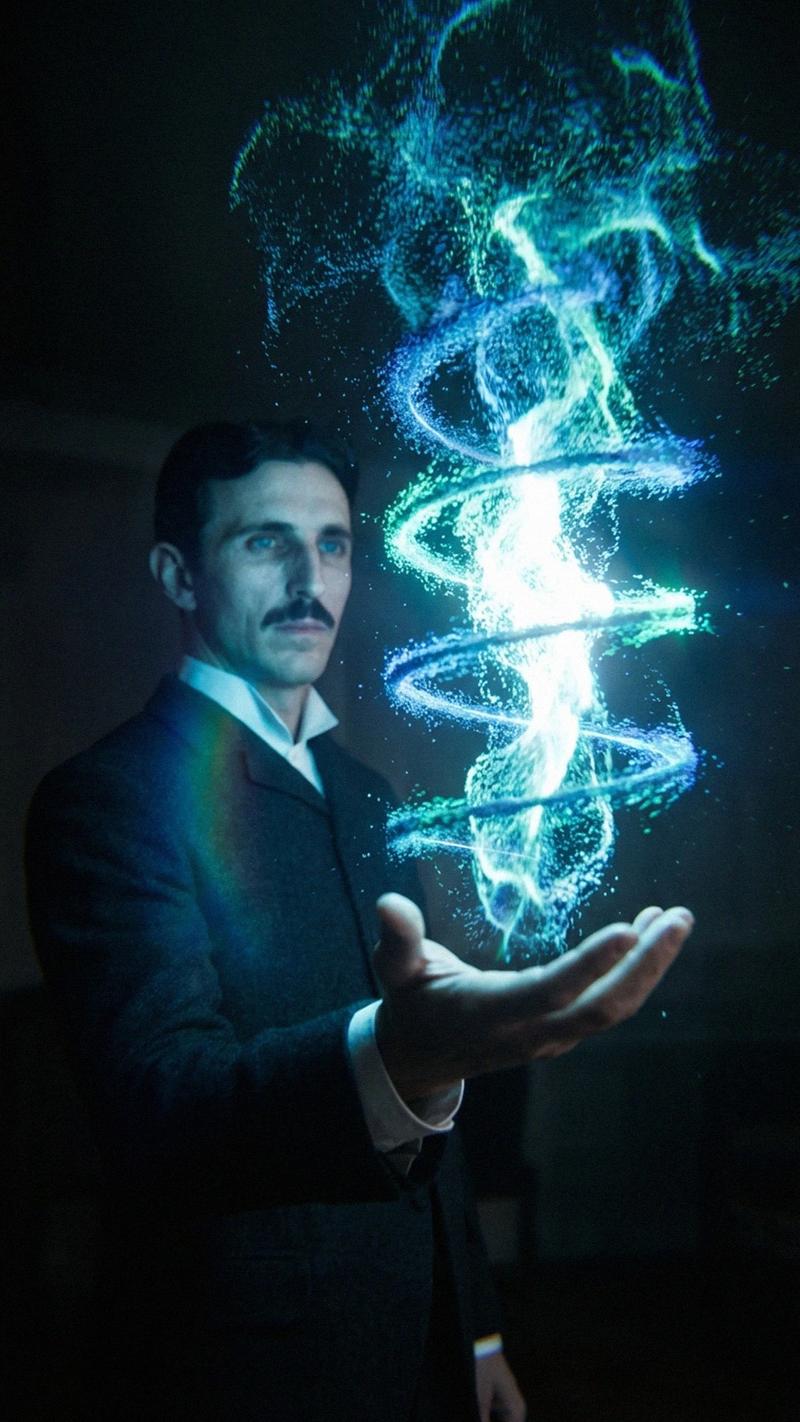
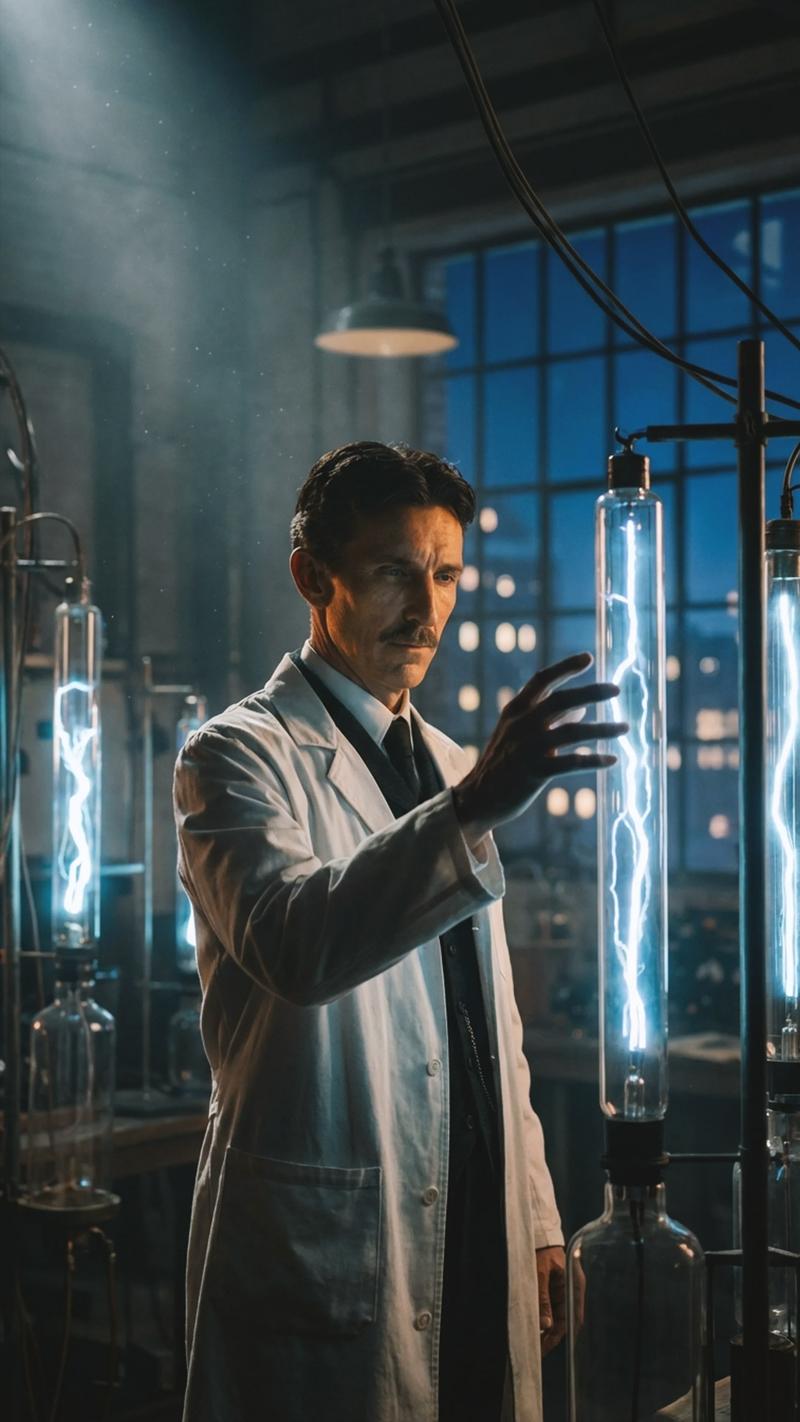
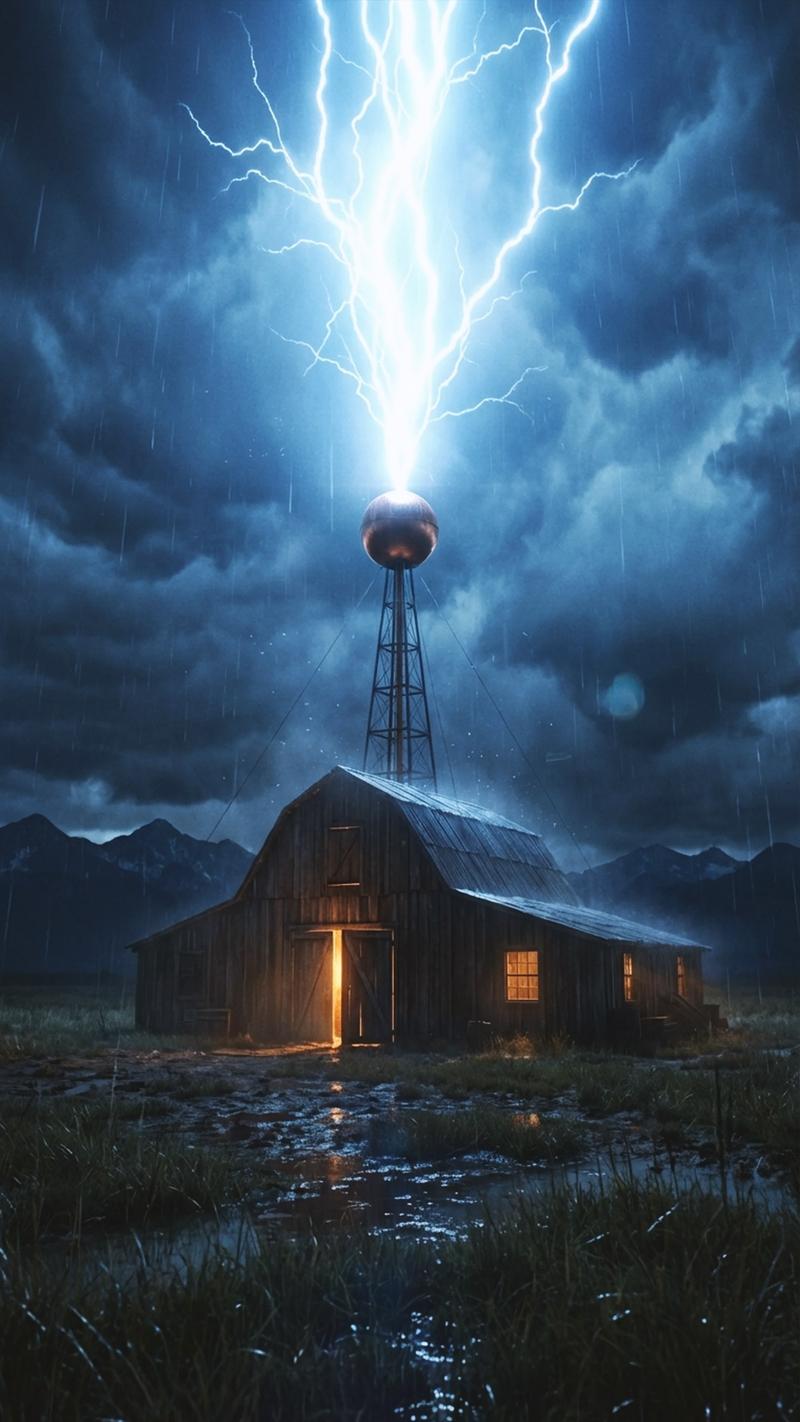
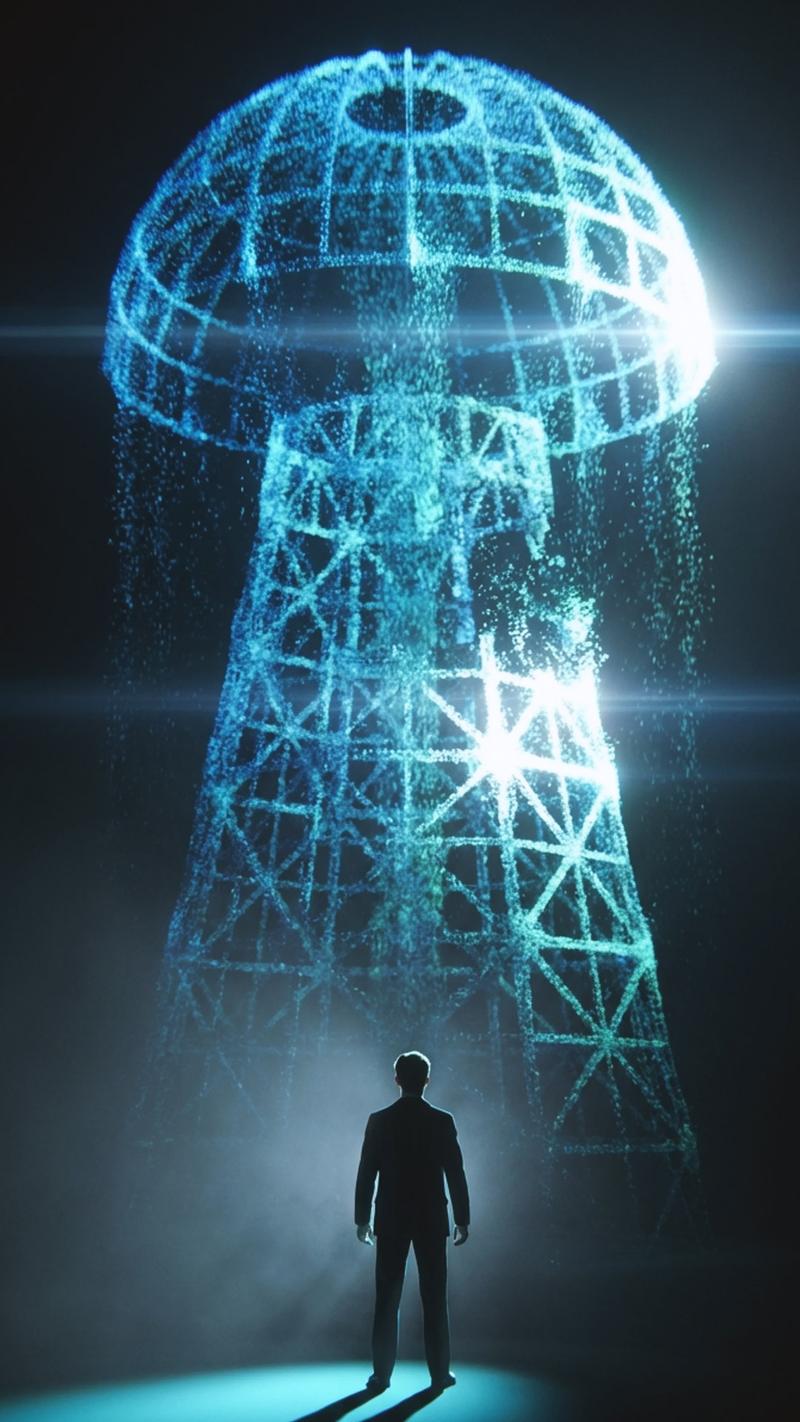
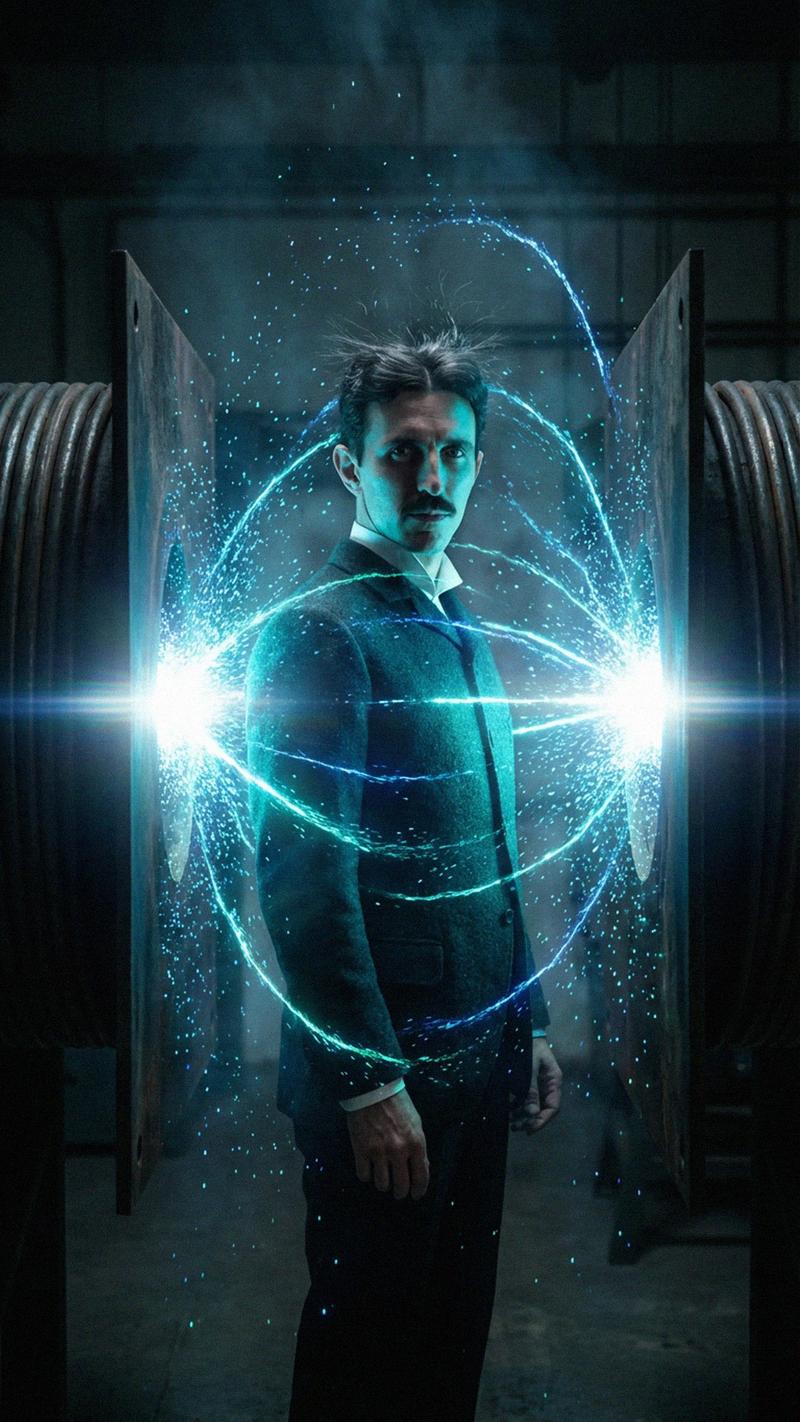
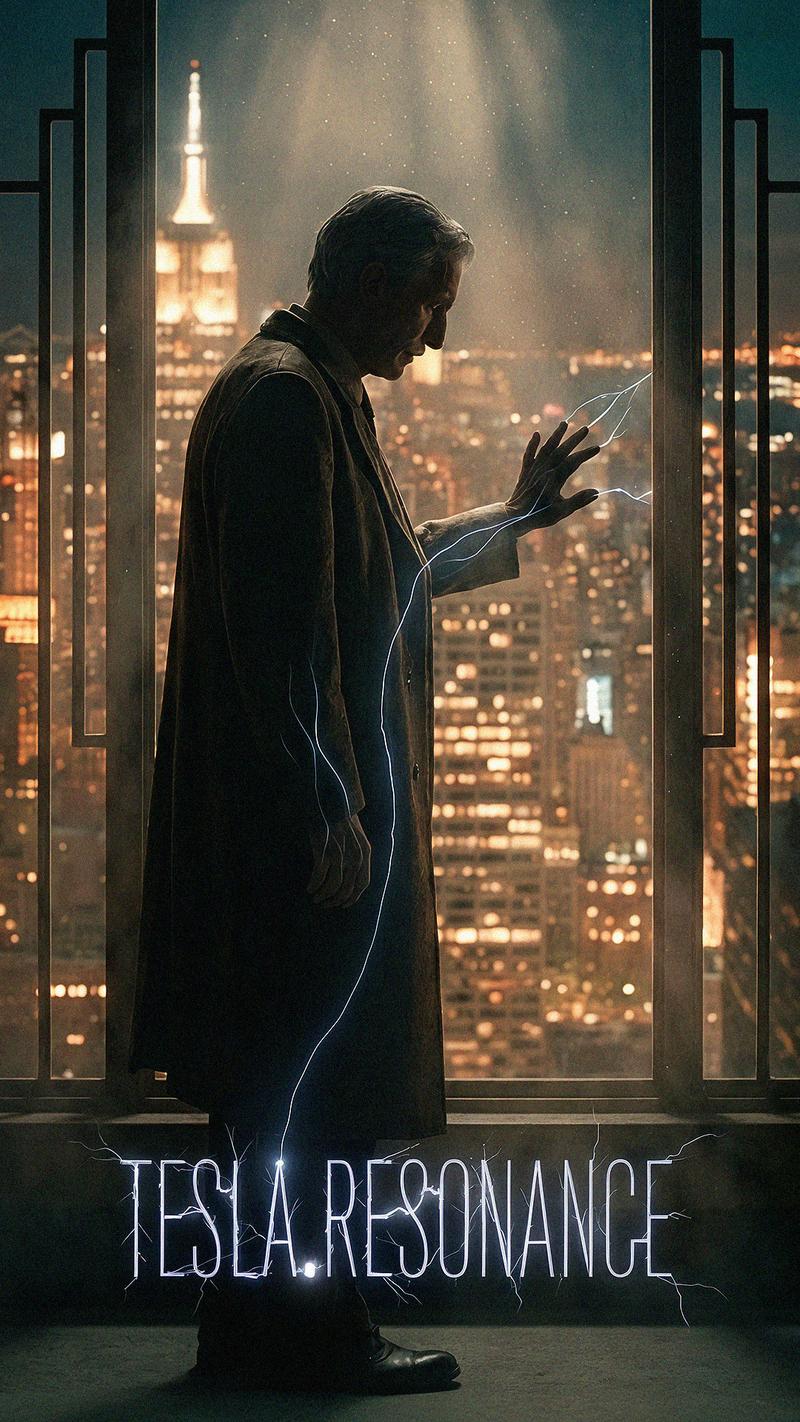
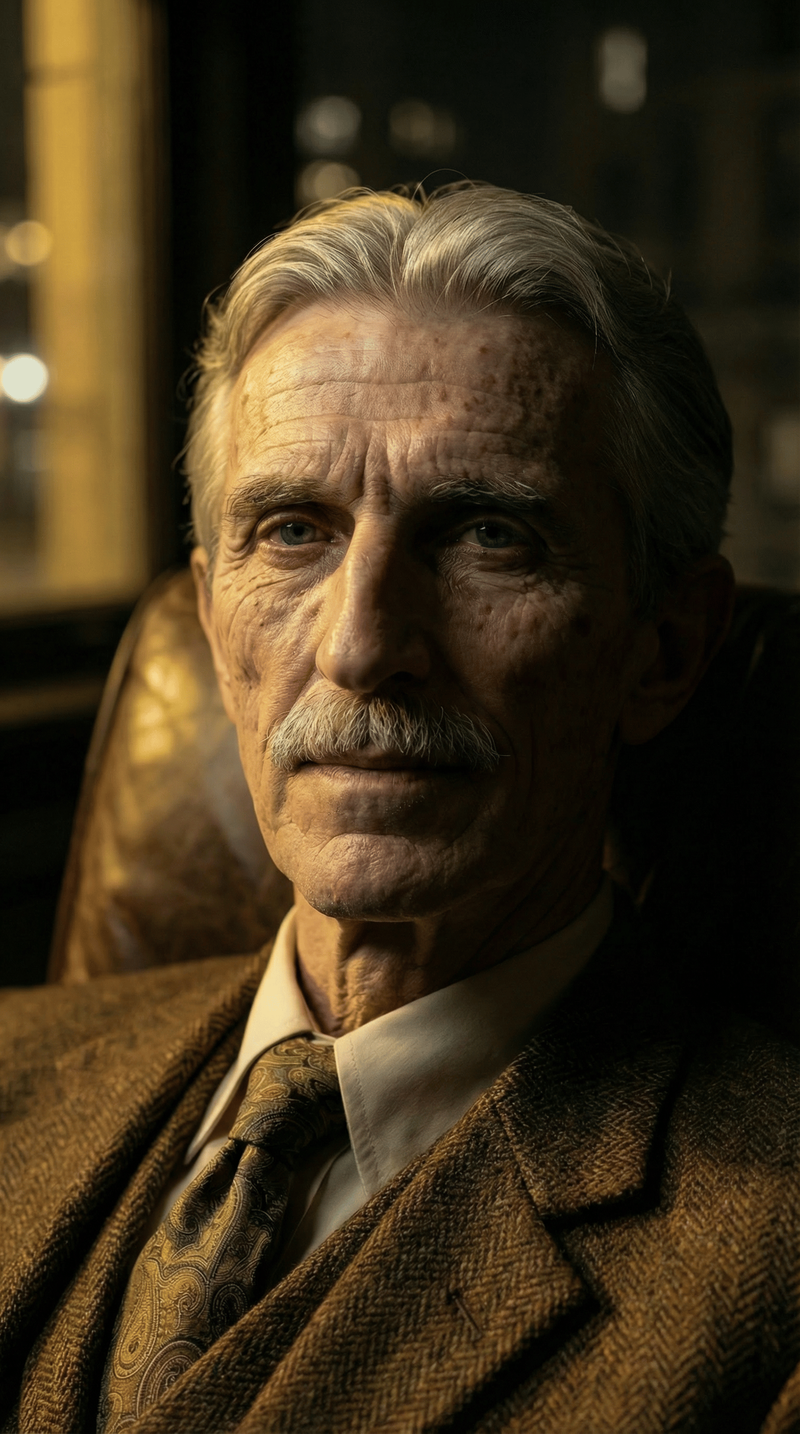
Tesla
In development
Vertical mini-series · 9:16 · 10 × 3 min

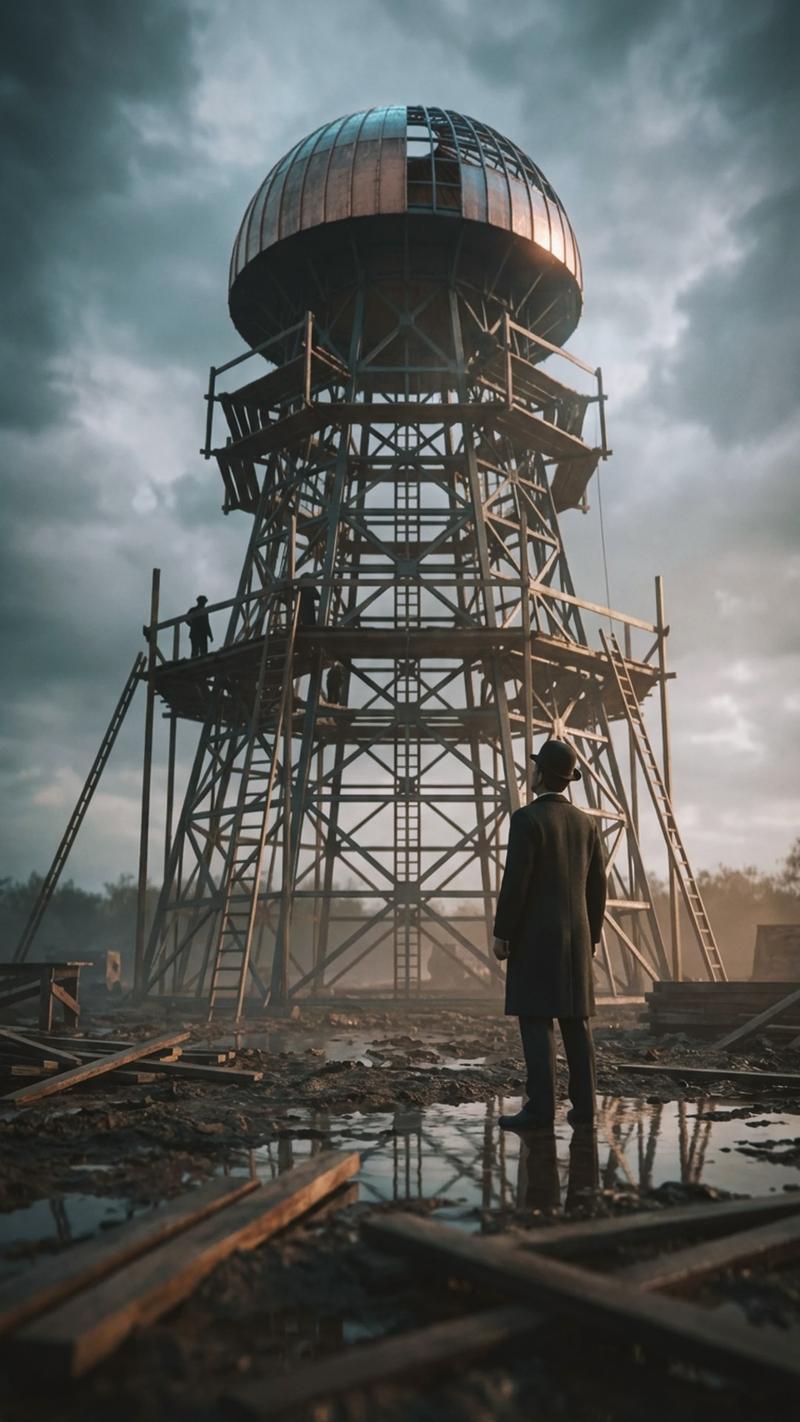
An aging Nikola Tesla looks back at ten moments when his inner vision met the outer world, each time finding the world wasn't ready.


Letters
In development
Animated mini-series · 9:16 · 12 × 3–5 min

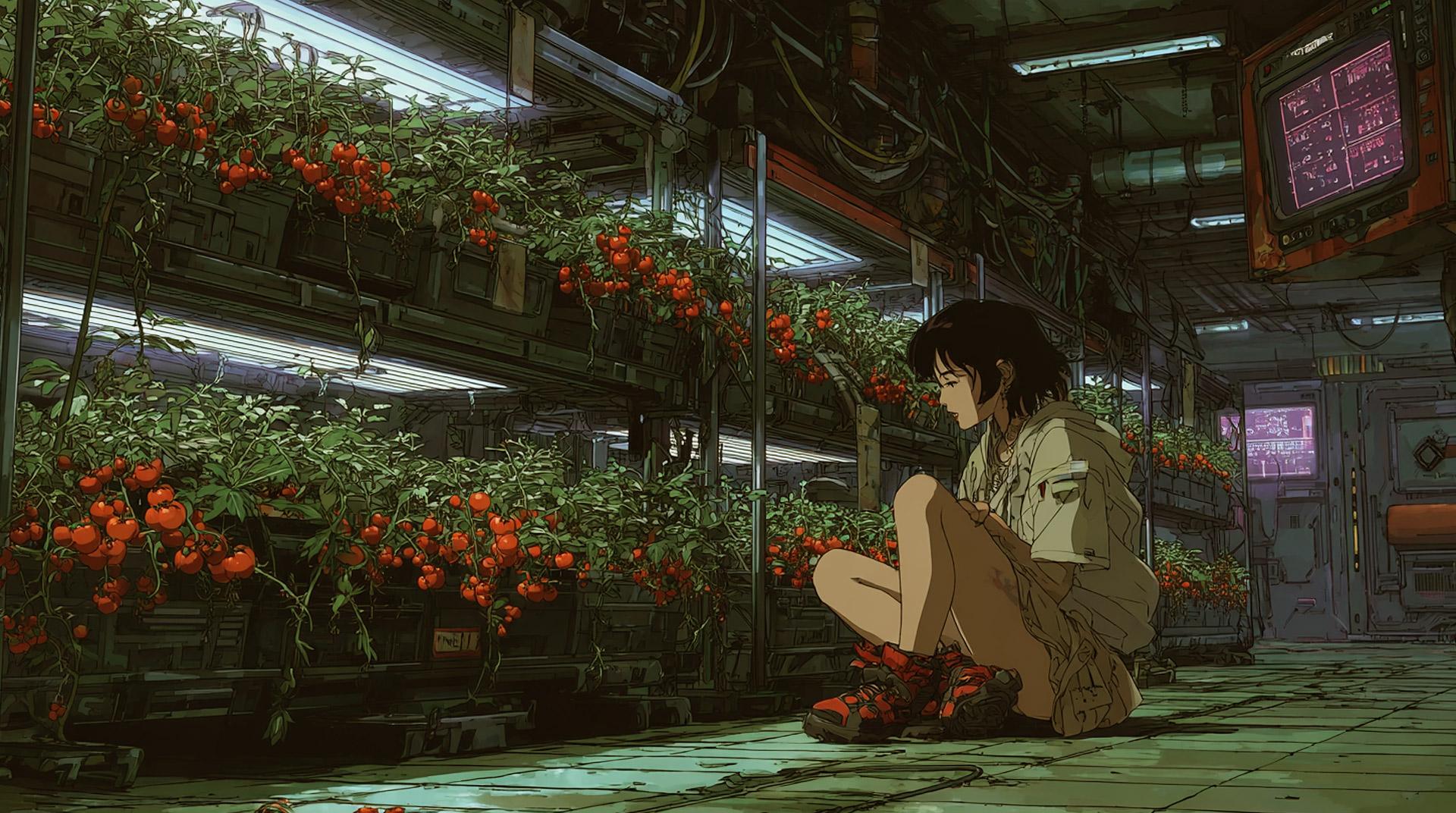
A young postwoman inherits her father's mail route and finds an unaddressed envelope hiding three generations of family silence. The discovery may give her one last chance to talk to him.


Mars
In development
Sci-fi series · 16:9 · 6 × 20 min

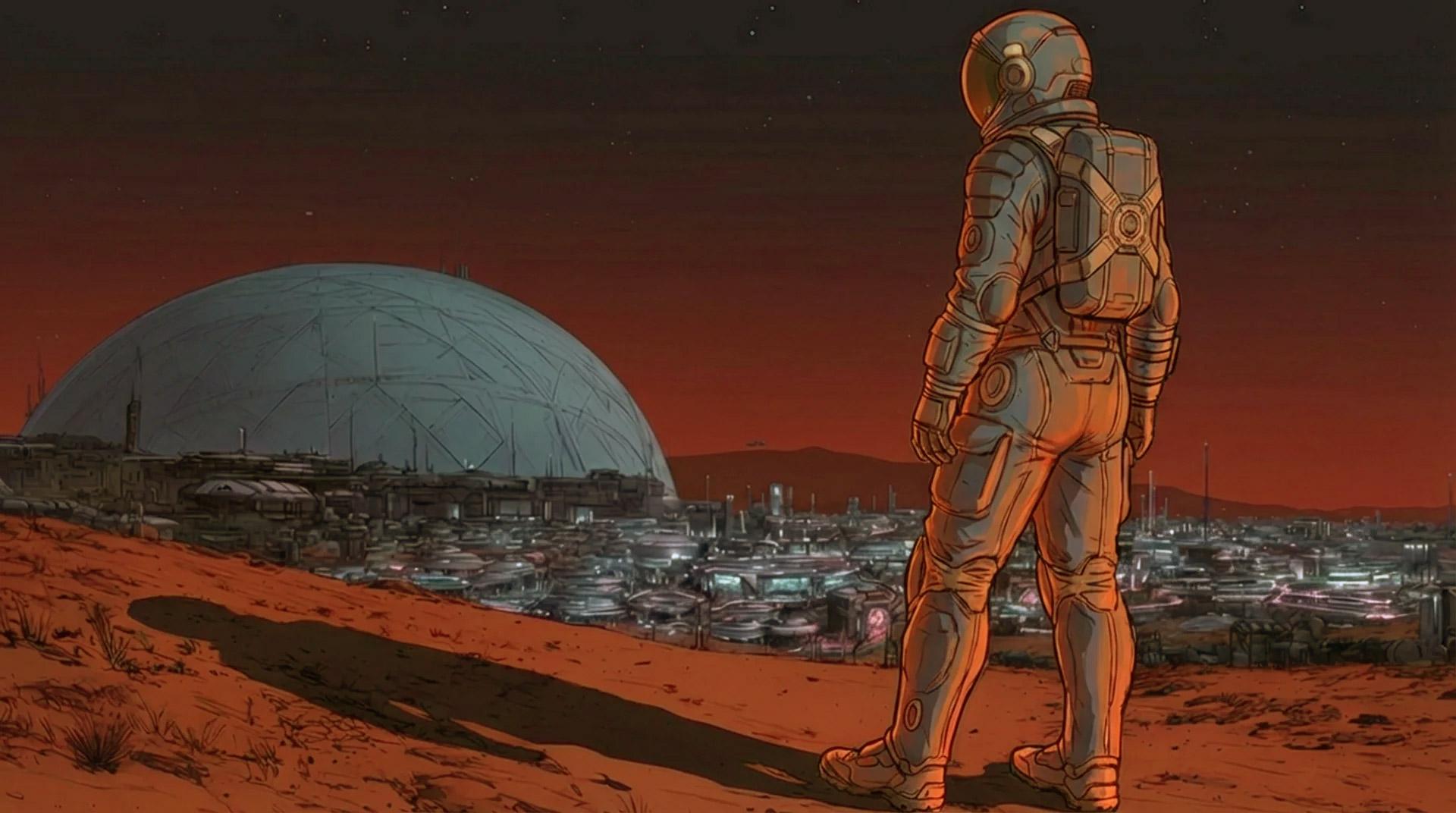
Five teenagers in the first Martian school. The first generation of humans born off Earth, learning what «home» means when there's no going back.


Bible → script → direction → storyboard → generation → assembly → XML export. One chain, no manual stitching.

Production domains

Five formats.
One system.

Same pipeline, five formats: horizontal film, vertical drama, advertising, poster key art, character design. One Bible per project, multiple outputs.
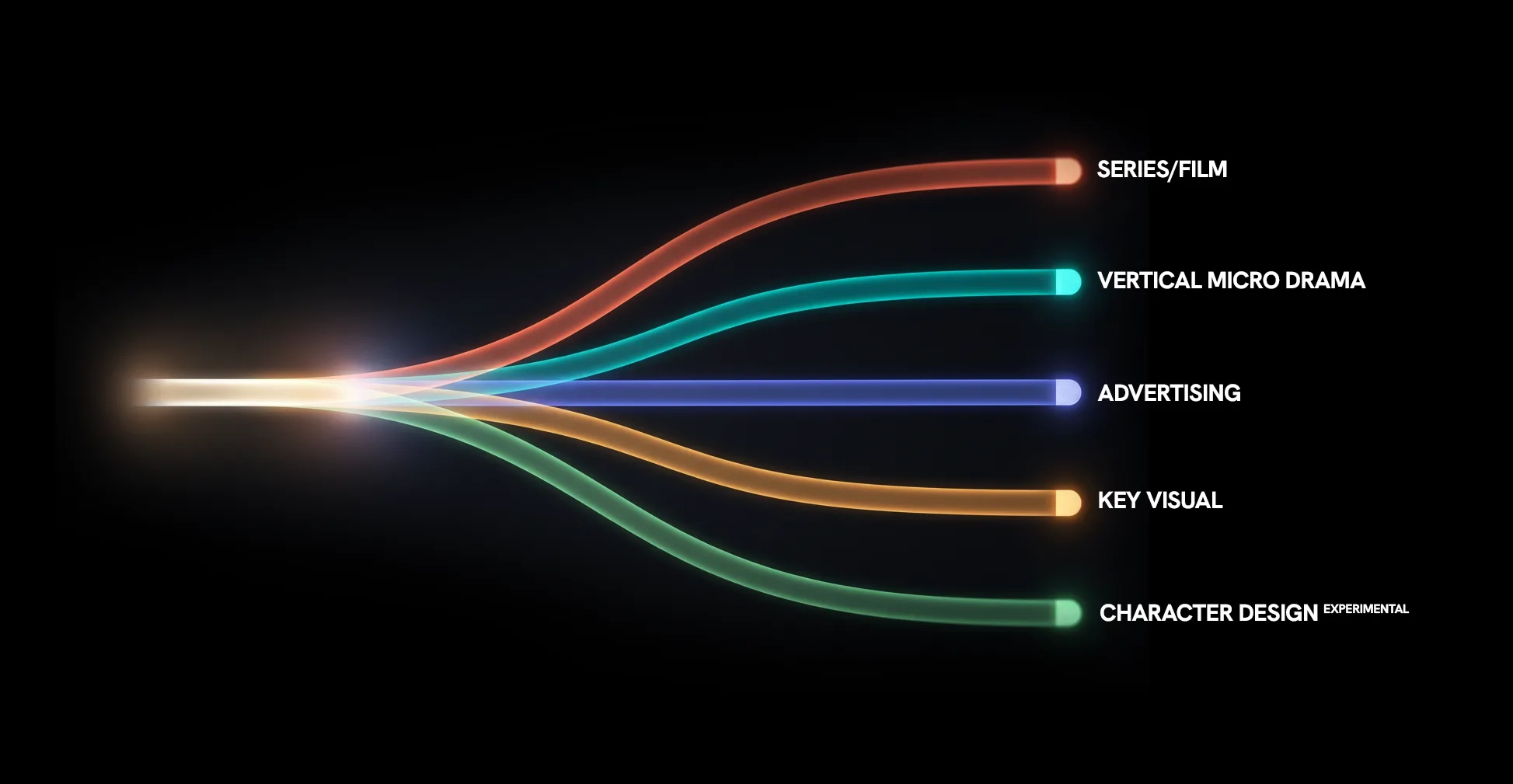
Five formats
16:9
Series / Film
3–10 min episodes or 90+ min features. Full pipeline, Bible to XML timeline.
9:16
Micro-Drama
Vertical episodes, 60–120s. Fast cuts, close-ups, pacing for thumb-scrolling. Up to 100 episodes a season.
AD
Advertising
Brief, concept, scripts for each cut length (6s / 15s / 30s / 60s), storyboard, style test, delivery.
KEY
Poster / Key Art
Analyse a poster across 12 axes, or generate from scratch. Library of 47+ visual cards.
CHR
Character Design
A parametric constructor with 10 axes: face, body, skin, hair, expression, posture, age, costume.
Grounded craft

Every choice
has a reason.

The knowledge isn't private. It's published film theory, craft literature, and open datasets. What's different is how it's organised: every pipeline decision traces back to a parameter, a principle, or a paper.
Knowledge system
60+
Cited sources
Every recommendation traces back to a named source: cinematography research, perception studies, directing and screenwriting manuals, colour and sound theory.
27 × 8
Cinematic DNA matrix
A recipe layer for scene visualisation. 27 emotional states across 8 craft domains: composition, lens, light, colour, movement, editing, sound, recipe.
917 + 792K
Empirical datasets
Nine JSON datasets: 917 screenplays parsed structurally, 792K CineScale shots, 22 comedy structures, 15 tropes, 11 character dynamics, 6 emotion arcs.
25
Model-specific guides
Every generator has its dialect. Tested prompt patterns and edge-case notes for Flux, Reve, Kling, Wan, Seedance, Veo, and the rest.
Wiki coverage
Directing Writing Camera & Light Color Sound Poster Emotion & Structure
Datasets inside
Comedy structures (22) Dramedy tropes (15) Character dynamics (11) Emotion arcs (6) CineScale 792K shots Screenplay structure (917)
Learning Mode

A system that teaches.

A separate mode opens the knowledge layer for study: students, enthusiasts, working directors. Walk the wiki in reading order, or ask by problem («why does this shot feel flat?») and get an answer with parameters and cited sources.

The quality layer

Catch breaks
before the render.

Generation costs money. Fixing problems after the render costs more. Four overlapping systems catch breaks: rule checks, interpretive review, world-state tracking, feedback loop.
A · Rule Review
Automated checks at three stages.
The earlier a problem shows up, the cheaper it is to fix. Rule checks cover continuity, shot grammar, and technical coherence.
SCRIPT
Continuity, geography, prop tracking, pacing
DIRECTION
180° axis, shot sizes, 30° rule, prompts
FULL
Audiovisual quality, emotional impact, rhythm
C · StoryPole — World State
Manual tracking breaks.
StoryPole tracks who is where, who knows what, which objects exist, and which emotional states changed.
Tracked
Locations Inventory Knowledge Emotions
Checks
Teleportation Ghost objects Impossible knowledge Emotion jumps
B · Debate Engine
Debate tests choices.
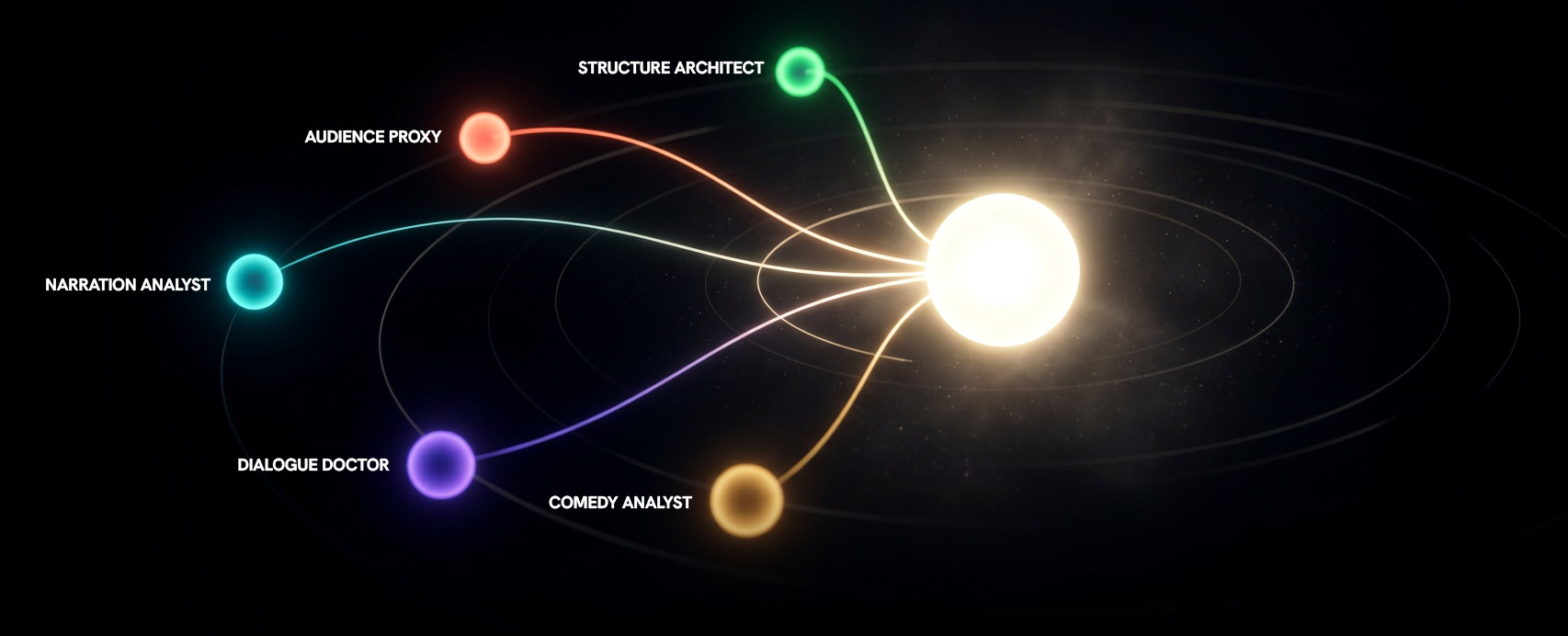
Rules catch errors. Debate Engine tests interpretation. Craft reviewers argue from different perspectives; a judge model gives one advisory verdict.
Debate Engine
CM
Comedy
DL
Dialogue
ST
Structure
AU
Audience
NR
Narration
+ JUDGE — weighs the perspectives and returns a scored verdict. The verdict is advisory. The director decides.
Self-learning system

Memory that
learns.

The agent gets smarter on its own. External research keeps the wiki current; internal pattern memory turns repeated issues into accepted rules.
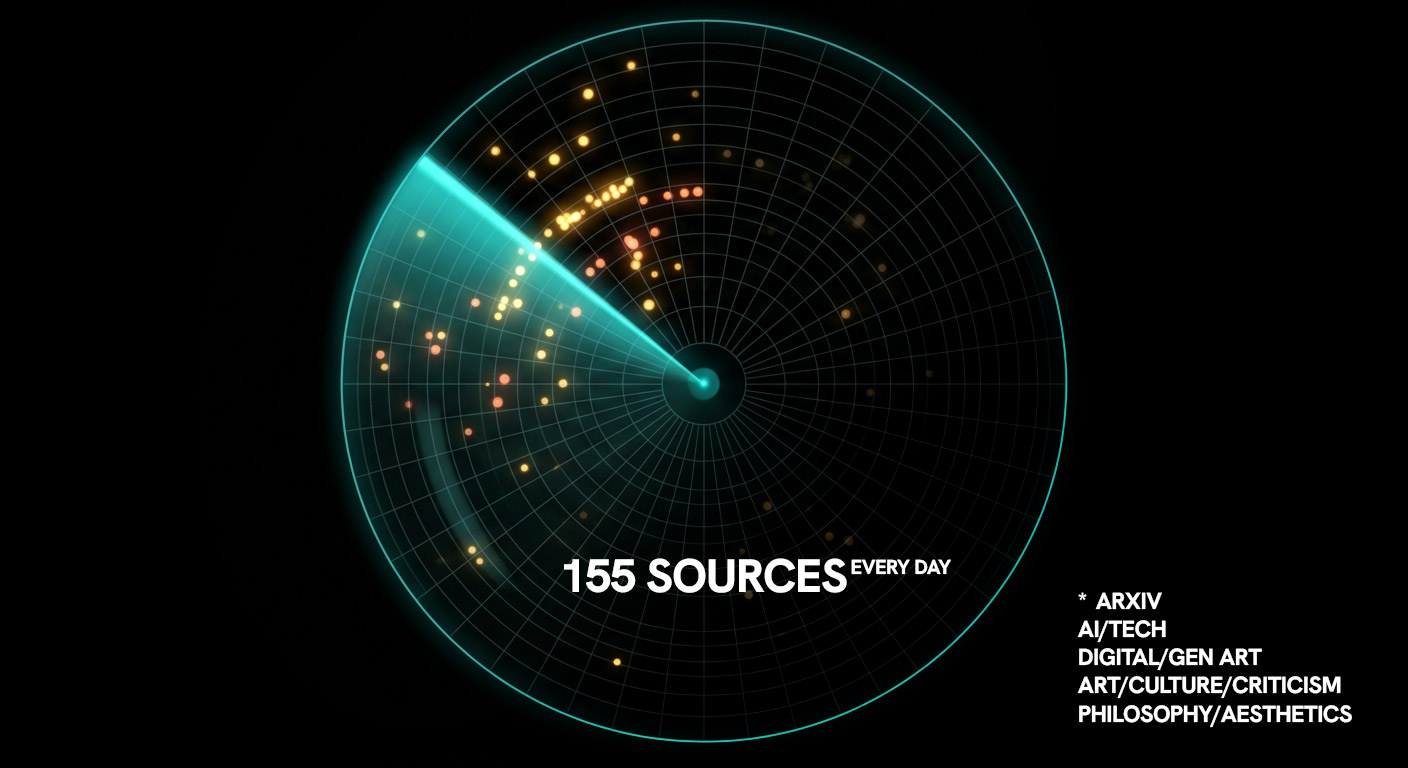
Radar scanning 155 sources every day
External memory · Radar
Background research crawler.
A research agent runs continuously, pulling from 127 Telegram channels, 28 RSS feeds, arXiv (cs.AI/cs.CV/cs.GR/cs.MM), Crossref, and OpenAlex. New techniques and papers get synthesised into the wiki, so the next project starts with the latest practice.
Internal memory · Patterns
Findings turn into rules.
Findings from past projects accumulate. When the same issue catches in 3+ projects, the agent proposes a rule, and a human approves or rejects. Rules sunset after 90 days if not triggered, so the memory stays current and never ossifies.
01
Collect
Each finding logged with severity and timestamp.
02
Detect
Same issue 3+ times becomes a weighted pattern.
03
Propose
Which doc to update, what to write, confidence.
04
Approve
Human accepts, rejects, or defers.
Pipeline

Bible to
editor timeline.

Four stages, seventeen phases, three human gates. The agent won't run a phase without its upstream file, and won't skip a gate.


Stage 1
Project Bible
Nine docs that lock the world: synopsis, vision, style, characters, world rules, sound, tech, production rules, ontology.
Stage 2
Script & Direction
Screenplay, then shot-by-shot direction, then a check on transitions. Two sign-offs before any frame gets generated.
Stage 3
Visual & Generation
Style test, prompts, canvas storyboard, shot-by-shot generation across 30+ models. Character consistency from the Bible.
Stage 4
Assembly & Handoff
Rough cut in the browser, subtitles, final review, XML / FCPXML export to Premiere or DaVinci.
All 17 phases
00 Bible 01 Script 02 Script Review ⊙ Human Gate 03 Direction 04 Transition Audit 05 Direction Review ⊙ Human Gate 06 Consistency Pairs 07 Style Test 08 Image Prompts 09 Prompts JSON 10 Canvas Storyboard 11 Production Docs 12 Generation ⊙ Human Gate 13 Iteration 14 Subtitles 15 Final Review 16 Editor Handoff 17 Final Edit
Sketch Mode Full Render
Sketch → full render
Storyboards in two passes. Left: cheap rough sketch for composition. Right: full render with the look from Style.md. Both run on 30+ models including Flux, Reve, Kling, Wan, Seedance, and Veo.
Editor Handoff
Timeline, not footage
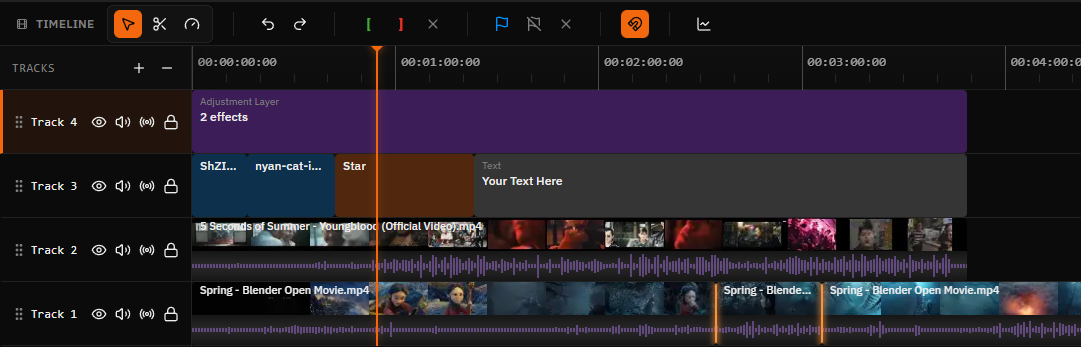
What comes out is a timeline, not a folder of clips. XML / FCPXML export lands cuts, durations, and layers intact in Premiere or DaVinci.
What the pipeline changes

It changes
the unit of work.

Without a pipeline, you manage prompts, clips, folders, chats, and memory by hand. With Maulstick, you manage production state.

01
Prompts inherit from the Bible
Style, characters, rules, and format come from project files.
02
Script changes create tasks
Direction, prompts, storyboard, subtitles, assembly, and XML can be marked stale or synced.
03
Review happens before generation
Continuity, shot grammar, world state, and interpretation are checked before render cycles.
04
Storyboard and assembly stay aligned
Canvas, production docs, rough cut, subtitles, and editor export describe the same sequence.
05
Craft choices stay traceable
A shot keeps its reason: emotion, lens, movement, composition, light, rhythm, and source.
06
The output is a timeline
The final handoff is an editable editor timeline, not a folder of disconnected clips.
Market map

Where Maulstick sits
in the landscape.

Tools we sit alongside. Maulstick fits between the generation models and the editing software.
Layer 1
Generation models
Runway, Kling, Flux, Sora, Veo, Seedance, Wan, Reve…
The engines Maulstick calls. We don't train our own. We use existing ones, translating each shot description into the model's dialect.
Layer 2
Templated AI video platforms
End-to-end platforms with preset pipelines, stock avatars, canned transitions.
Fast workflows for short-form and social content. Our focus is narrative film: custom Bible, locked style, clean NLE handoff. Some overlap, different audience.
Layer 3
AI storyboarding & pre-viz
Board-only tools that turn a script into visual panels.
Focused on one stage of pre-production. In Maulstick, storyboarding is one of seventeen phases, with generation, assembly, and timeline export downstream.
Layer 4
Ad-hoc tool chain
ComfyUI, prompt docs, spreadsheets, reference folders, Frame.io, NLE plugins — glued together by hand.
What we did before this. Maulstick replaces the manual gluing with a single pipeline, while still calling many of the same underlying generators.